
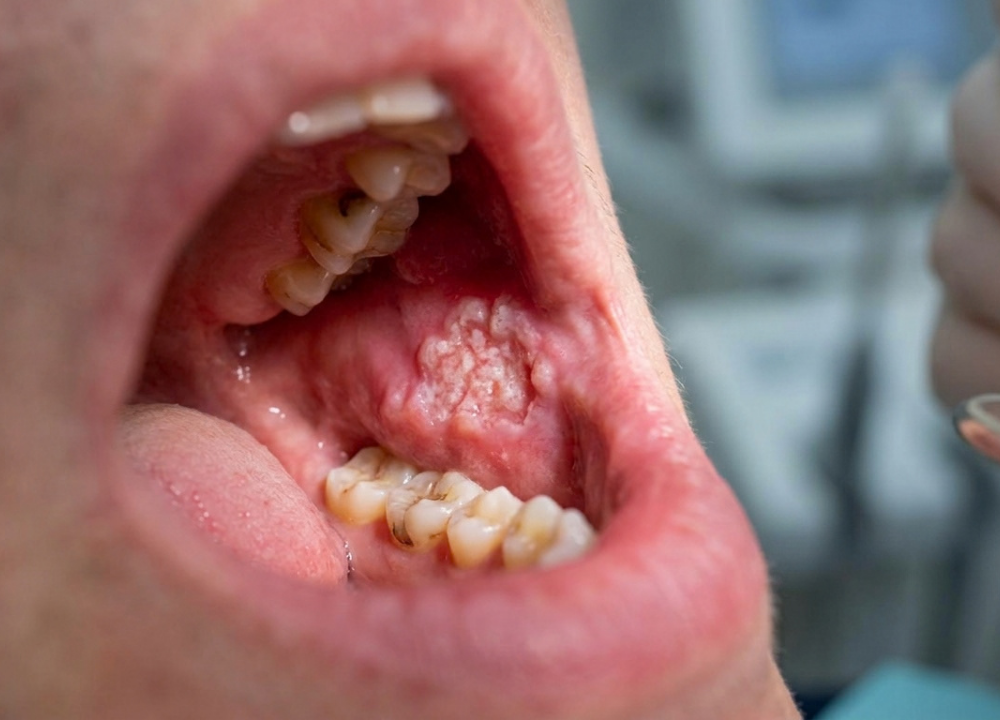
Mouth cancer can develop in different areas of the oral cavity, including the lips, tongue, gums, inner cheeks, floor of the mouth, and roof of the mouth. Recognizing unusual changes early can encourage people to seek appropriate medical or dental attention. While many oral problems are harmless and have causes unrelated to cancer, changes that persist or worsen should not be ignored.
Understanding mouth cancer symptoms can help people recognize potential warning signs and know when professional evaluation may be appropriate. Symptoms can vary depending on where a tumor develops and how advanced it becomes. A sore that does not heal, an unexplained lump, persistent mouth pain, or an unusual red or white patch may warrant a closer examination.
What Is Mouth Cancer?
Mouth cancer, also called oral cancer, refers to cancer that develops in tissues of the mouth. It can affect the lips, tongue, gums, inner lining of the cheeks, the floor of the mouth, and other parts of the oral cavity. Some types of oral cancer begin in the thin, flat cells lining the mouth. The condition can develop gradually, and early changes may be subtle. This is one reason routine dental examinations and attention to persistent oral changes are important.
Understanding Oral Cancer
Oral cancer is part of a broader group of cancers affecting the head and neck. The exact location and type of cancer influence its symptoms, diagnosis, and treatment. A healthcare professional may examine the mouth, tongue, gums, and nearby areas when investigating an unusual change. If an abnormal area is found, further testing may be recommended.
Why Early Detection Matters
Finding concerning changes early can make it possible to investigate them before they become more advanced. Early evaluation does not necessarily mean that cancer is present, but it can help identify the cause of a persistent symptom. Regular dental care also provides an opportunity for professionals to notice changes that a person may not see themselves.
Mouth Cancer Symptoms to Watch For
Knowing the potential warning signs can help people decide when a dental or medical assessment may be appropriate. Common mouth cancer symptoms can include persistent sores, unusual patches, lumps, pain, numbness, and difficulties with normal mouth functions.
A Mouth Sore That Does Not Heal
A sore or ulcer inside the mouth is common and can result from biting the cheek, sharp teeth, dental appliances, infections, or irritation. However, a sore that does not heal or continues to change deserves professional attention. Rather than assuming that a persistent ulcer is cancer, it is better to have it examined so that its underlying cause can be identified.
Red or White Patches
Unusual red or white patches inside the mouth can have several possible causes. Some may be related to irritation or other oral conditions, while certain persistent patches can be associated with abnormal tissue changes.
A Lump, Thickening, or Swelling
A new lump, thickened area, or unexplained swelling in the mouth may be another warning sign. Such changes can occur for many reasons, including infections or benign growths. A persistent lump should be examined rather than monitored indefinitely without professional advice.
Unexplained Mouth or Tongue Pain
Pain in the mouth, tongue, or gums is often associated with common dental conditions. However, persistent or unexplained pain should be discussed with a healthcare professional, particularly if it occurs alongside another unusual oral change.
Numbness or Unusual Sensation
Unexplained numbness or a change in sensation involving the lips, tongue, or other parts of the mouth can have different causes. If the sensation continues without an obvious explanation, professional assessment can help determine what is happening.
Difficulty Chewing, Swallowing, or Moving the Jaw
Changes that make chewing, swallowing, or moving the jaw difficult should not be overlooked. These problems can result from dental issues, inflammation, infections, or other conditions, but persistent difficulties require appropriate evaluation.
Changes in Speech or Voice
Changes in speech or persistent hoarseness can have many causes. If such changes continue or occur together with other oral or throat symptoms, discussing them with a healthcare professional is advisable.
What Do Early Mouth Cancer Symptoms Look Like?
Early mouth cancer symptoms may be subtle and can resemble common oral problems. Potential warning signs include:
- A mouth sore that does not heal
- A persistent red or white patch
- A lump or thickened area
- Unexplained pain or tenderness
- Numbness in the mouth or lips
- Difficulty chewing or swallowing
- Persistent changes in speech or voice
- Unexplained loose teeth
- Persistent discomfort in the mouth, jaw, or throat
Symptoms That May Appear as Mouth Cancer Progresses
As oral cancer develops, symptoms may become more noticeable or interfere with everyday activities. However, progression varies from person to person.
Increasing Pain or Discomfort
Persistent discomfort may become more noticeable as an abnormal area changes. Pain can also be caused by numerous non-cancerous conditions, so its presence alone cannot establish a diagnosis.
Difficulty Eating or Swallowing
Problems with eating or swallowing can affect nutrition and daily comfort. Persistent swallowing difficulties should be evaluated, particularly when they occur with other mouth or throat changes.
Neck Swelling or Enlarged Lymph Nodes
A lump or swelling in the neck can develop for many reasons, including infections. Persistent or unexplained swelling should be assessed by a healthcare professional.
Mouth Cancer Symptoms vs. Common Mouth Problems
One of the biggest challenges is that mouth cancer symptoms can overlap with ordinary dental and oral conditions. For example, mouth ulcers are extremely common. They may appear after minor injuries, stress, irritation, or other causes and often resolve without treatment. Similarly, tooth pain is frequently caused by decay, gum disease, or infection rather than cancer.
When a Mouth Ulcer May Need Checking
An ulcer that persists, repeatedly returns, becomes larger, or appears unusual should be brought to the attention of a dentist or doctor. The goal is not to assume the worst but to identify the reason for the problem.
When a Red or White Patch Should Be Evaluated
A persistent unexplained red or white patch should be professionally assessed. A healthcare provider may examine its location, appearance, duration, and surrounding tissue before deciding whether further testing is necessary.
Why Self-Diagnosis Can Be Misleading
Pictures and symptom lists can provide general information, but they cannot replace an examination. Different oral conditions can look remarkably similar. A dentist or doctor can consider the person’s medical and dental history and determine whether additional testing is needed.
Risk Factors Associated With Mouth Cancer
Several factors can increase the risk of developing oral cancer. Having a risk factor does not mean that cancer will develop, and people without obvious risk factors can also develop the disease.
Tobacco Use
Smoking and other forms of tobacco use are important risk factors for oral cancer. Tobacco exposes oral tissues to substances that can damage cells over time. Avoiding tobacco can reduce this risk and offers many other health benefits.
Alcohol Use
Heavy alcohol consumption is associated with an increased risk of several cancers, including cancers affecting the mouth and throat. Combining heavy alcohol use with tobacco use can further increase risk.
HPV and Other Factors
Certain types of human papillomavirus (HPV) are associated with cancers in parts of the head and neck. HPV is common, and infection does not mean that cancer will develop. Other factors can also influence risk, including age, immune system health, previous cancer history, and certain environmental exposures.
When Should You See a Doctor or Dentist?
A persistent oral change should not be ignored simply because it is painless. Likewise, a painful symptom does not automatically indicate cancer. Professional evaluation is especially appropriate when a change does not improve, becomes worse, repeatedly returns, or occurs together with other unusual symptoms.
Persistent Symptoms That Do Not Improve
If a sore, patch, lump, or other oral change continues instead of resolving normally, arrange an appointment with a dentist or doctor.
Symptoms That Get Worse
Increasing pain, swelling, difficulty swallowing, or changes in normal mouth function should be assessed rather than repeatedly treated at home without knowing the cause.
Multiple Symptoms Occurring Together
Several symptoms occurring together may provide a stronger reason to seek professional assessment. A healthcare provider can determine whether they are connected or caused by unrelated conditions.
How Is Mouth Cancer Diagnosed?
Diagnosis usually begins with a medical or dental examination. The healthcare professional considers the symptoms, their duration, and the appearance of any abnormal area.
Oral and Physical Examination
A dentist or doctor may inspect the mouth, tongue, gums, cheeks, lips, and nearby areas. They may also feel areas of the neck for unusual swelling.
Medical and Dental History
The provider may ask when the symptoms began, whether they have changed, and whether there are relevant dental or medical conditions. Questions about tobacco use, alcohol consumption, previous health problems, and other risk factors may also be relevant.
Biopsy
If an area looks concerning, a biopsy may be recommended. During a biopsy, a sample of tissue is collected and examined by a laboratory to determine whether abnormal or cancerous cells are present. A biopsy is an important diagnostic tool because symptoms alone cannot confirm oral cancer.
Treatment Options for Mouth Cancer
Treatment depends on factors such as the type and location of cancer, its stage, and the person’s overall health.
Surgery
Surgery may be used to remove cancerous tissue. The extent of surgery depends on where the cancer is located and how extensively it has developed.
Radiation Therapy
Radiation therapy uses high-energy radiation to target cancer cells. It may be used alone or alongside other treatments depending on the individual diagnosis.
Chemotherapy and Other Drug Treatments
Chemotherapy and other medicines may be used in certain situations. The treatment plan is determined by the medical team according to the cancer’s characteristics.
How to Reduce the Risk of Mouth Cancer
Although not every case can be prevented, several lifestyle choices can help reduce risk.
- Avoid tobacco products.
- Limit alcohol consumption.
- Protect the lips from excessive ultraviolet exposure.
- Maintain good oral hygiene.
- Attend regular dental checkups.
- Discuss HPV vaccination with an appropriate healthcare professional.
- Report persistent or unusual oral changes promptly.
How Dentists Help Detect Mouth Cancer
Dentists play an important role in identifying unusual oral changes during routine examinations.
Routine Oral Examinations
During a dental examination, the dentist may inspect the mouth for unusual sores, patches, swelling, lumps, or other changes.
What an Oral Cancer Screening May Involve
An oral examination can include checking the lips, gums, tongue, inner cheeks, roof of the mouth, and floor of the mouth. The dentist may also examine the neck and jaw area.
Why Regular Checkups Matter
Regular dental visits provide opportunities to identify changes that might otherwise go unnoticed. They also allow common dental problems to be treated before they become more serious.
Professional Overview of Common Warning Signs
| Possible warning sign | What to look for | What to do |
| Persistent sore | An ulcer or sore that does not heal normally | Arrange a dental or medical assessment |
| Red or white patch | An unexplained patch that persists | Have it examined professionally |
| Lump or thickening | New or unusual tissue in the mouth | Seek professional evaluation |
| Persistent pain | Ongoing unexplained mouth, tongue, or jaw discomfort | Discuss it with a healthcare provider |
| Numbness | Unexplained reduced sensation in the mouth or lips | Arrange an appropriate evaluation |
| Swallowing difficulty | Ongoing difficulty swallowing | Seek medical advice |
| Loose tooth | Tooth loosening without an obvious cause | Contact a dentist |
| Neck swelling | Persistent unexplained lump or swelling | Have it assessed |
Final Thoughts
Recognizing potential mouth cancer symptoms is important, but recognizing a warning sign does not mean assuming that cancer is the cause. Persistent sores, unusual red or white patches, unexplained lumps, numbness, pain, swallowing difficulties, and other lasting changes can have many possible explanations. The most useful approach is to pay attention to changes that do not improve normally and seek professional advice when something seems unusual or persistent. A dentist or doctor can examine the area, consider other possible causes, and recommend further testing when appropriate.
FAQs
Q1: What are the most common mouth cancer symptoms?
Ans: Common warning signs can include a persistent mouth sore, red or white patches, a lump or thickened area, unexplained pain or numbness, difficulty chewing or swallowing, changes in speech, and unexplained loose teeth. These symptoms can have many other causes and do not by themselves confirm cancer.
Q2: What does a mouth cancer sore look like?
Ans: There is no single appearance that identifies a cancerous sore. An unusual sore that persists, changes, becomes larger, or does not heal normally should be examined by a dentist or doctor rather than diagnosed from appearance alone.
Q3: How long should a mouth ulcer last before seeing a doctor?
Ans: Many ordinary mouth ulcers heal on their own. However, an ulcer that persists longer than expected, repeatedly returns, or appears unusual should be evaluated by a healthcare professional to determine its cause.
Q4: Can mouth cancer cause tooth problems?
Ans: Oral cancer can sometimes be associated with unexplained tooth loosening or other changes, but common dental conditions such as gum disease and infection are much more frequent causes of tooth problems. A dentist can determine the underlying reason.
Q5: Can mouth cancer cause jaw or tongue pain?
Ans: Persistent jaw or tongue pain can occur with various conditions, including dental problems, inflammation, injuries, and other disorders. If pain is unexplained or continues despite appropriate care, professional assessment is recommended.