
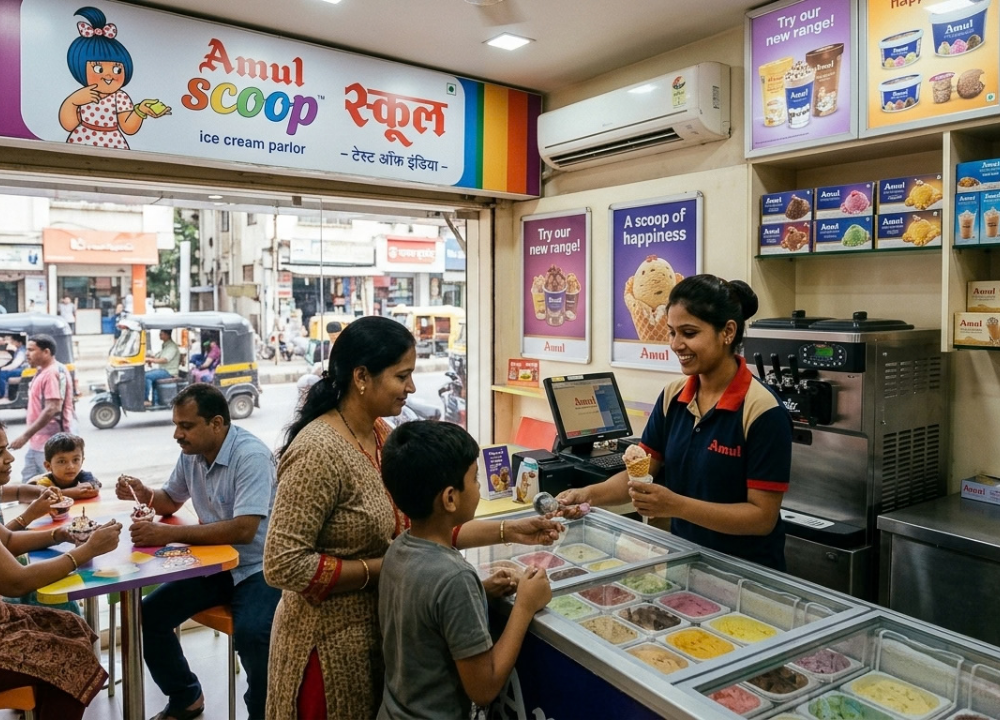
Starting a business can be exciting, but building a brand from scratch often requires significant time, research, and trial and error. A franchise offers another path. Instead of creating every system yourself, you can operate under an established brand and use an existing business model.
For many first-time entrepreneurs, a small franchise business in India can be an interesting option because smaller franchise formats may be easier to manage than large outlets. However, franchising still requires careful planning. The brand, location, investment, agreement, customer demand, and operating costs all need to be evaluated before making a decision.
What Is a Small Franchise Business in India?
A small franchise business in India is a business operated by an individual or company under the name, systems, products, or services of an established franchisor. The franchisee generally pays certain fees and agrees to follow the franchisor’s operating standards. The franchisor may provide branding, training, marketing resources, technology, supplier relationships, and operational guidance. In return, the franchisee is responsible for running the local business and meeting the requirements established in the franchise agreement.
How Does a Franchise Work?
The basic relationship involves two parties:
- Franchisor: The company that owns or controls the brand and business system.
- Franchisee: The person or company that receives permission to operate using that system.
Franchise vs. Independent Business
With an independent business, the owner develops the brand, operating procedures, marketing strategy, products, and customer acquisition methods independently. A franchise generally provides an established framework. This can reduce some of the work involved in building a business from zero, but it also means the franchisee has less freedom in certain areas. Brand standards, suppliers, pricing policies, operating procedures, and marketing rules may be specified by the franchisor.
Why Consider a Small Franchise Business in India?
There are several reasons entrepreneurs research franchise opportunities rather than starting completely independently.
An Established Business Model
A franchise can provide an existing operational structure. Instead of deciding every process from the beginning, the franchisee may receive guidance on areas such as store design, employee training, customer service, and product presentation.
Training and Support
Many franchisors provide some form of initial training and ongoing assistance. Depending on the company, this could include:
- Staff training
- Operational manuals
- Marketing materials
- Technology support
- Product training
- Site-selection assistance
- Supply-chain guidance
Different Investment Levels
Not every franchise requires a large commercial outlet. Some businesses operate through kiosks, small stores, home-based models, mobile services, or compact service centers. This creates opportunities for entrepreneurs with different budgets, although the actual investment varies significantly between industries and brands.
Types of Small Franchise Businesses in India
A small franchise business in India can operate in many sectors. Choosing an industry should depend on local demand, available capital, personal skills, and the business model rather than popularity alone.
Food and Beverage Franchises
Food businesses are among the most visible franchise formats. Examples can include cafés, tea outlets, snack stores, bakeries, dessert shops, and quick-service restaurants. These businesses may benefit from repeat customers, but they can also involve significant expenses for rent, equipment, ingredients, staff, utilities, and inventory.
Education and Training Franchises
Education-based franchises may include tutoring centers, skill-development programs, language training, preschool concepts, and professional learning services. Their success can depend heavily on local demographics, educational demand, teaching quality, and reputation.
Retail Franchises
Retail franchise opportunities can include specialty stores, convenience outlets, apparel businesses, and other consumer-focused formats. Location is especially important because customer accessibility and local purchasing behavior can strongly affect sales.
Service-Based Franchises
Service franchises may include cleaning, repair, logistics, maintenance, professional support, and other services. These models can sometimes operate with smaller physical spaces, but they still require strong customer service, reliable staff, and effective local marketing.
Beauty and Wellness Franchises
Salons, fitness centers, wellness services, and personal-care businesses can also operate through franchise models. Before investing, examine equipment requirements, staff qualifications, recurring expenses, customer demand, and the level of support offered by the franchisor.
How to Start a Small Franchise Business in India
Starting a small franchise business in India should be treated as a structured business project rather than a quick investment decision.
Step 1: Decide Your Budget
Begin by calculating how much money you can realistically commit.
Do not look only at the advertised franchise fee. Your budget may also need to cover:
- Security deposits
- Rent
- Interior setup
- Equipment
- Initial inventory
- Licenses and registrations
- Employee salaries
- Marketing
- Technology
- Utilities
- Working capital
Step 2: Choose an Industry
Select an industry that matches your interests, skills, resources, and local market. For example, someone with experience in education may understand a training franchise better than a restaurant business. Similarly, someone with retail experience may already understand inventory management and customer service.
Step 3: Research Multiple Franchise Brands
Do not immediately select the first opportunity you discover.
Create a shortlist and compare:
- Initial investment
- Franchise fee
- Royalty structure
- Contract duration
- Training
- Marketing support
- Supplier arrangements
- Location requirements
- Territory policies
- Renewal conditions
- Exit provisions
Step 4: Calculate the Total Investment
The initial franchise fee is only one part of the financial picture.
| Cost Category | What to Consider |
| Franchise Fee | Initial payment for franchise rights |
| Location | Rent, deposit, and premises-related costs |
| Setup | Furniture, interiors, equipment, and signage |
| Inventory | Initial stock, materials, or supplies |
| Employees | Recruitment, salaries, and training |
| Marketing | Launch promotions and local advertising |
| Technology | Software, POS systems, or other tools |
| Working Capital | Funds needed for ongoing operations |
Step 5: Review the Franchise Agreement
The franchise agreement is one of the most important documents in the process. Look carefully at the contract duration, renewal terms, royalties, advertising fees, territory restrictions, supplier requirements, intellectual property rules, operating standards, termination clauses, and transfer conditions.
Step 6: Research the Location
Even an established brand can struggle if its location does not match its target market.
Consider:
- Foot traffic
- Visibility
- Accessibility
- Parking
- Nearby businesses
- Local competition
- Customer demographics
- Rent
- Future development
- Public transport access
Step 7: Set Up the Business
Once the agreement and location are finalized, prepare the business for launch.
This may involve:
- Interior work
- Equipment installation
- Inventory purchasing
- Hiring employees
- Staff training
- Technology setup
- Supplier coordination
- Signage
- Local marketing
How Much Does a Small Franchise Business in India Cost?
There is no single standard investment amount for every franchise. The cost can vary according to the brand, industry, city, property size, equipment requirements, staffing needs, and business model. A compact service franchise may require a very different investment from a restaurant or retail outlet. Therefore, statements about a universal “low-cost franchise” should be treated carefully. Entrepreneurs should calculate both startup costs and ongoing costs before investing.
Startup Costs
Startup expenses may include the franchise fee, property deposit, renovation, equipment, inventory, licenses, signage, technology, recruitment, and launch marketing.
Ongoing Costs
Recurring expenses may include:
- Rent
- Salaries
- Inventory
- Utilities
- Royalties
- Marketing contributions
- Software subscriptions
- Maintenance
- Transportation
How to Choose the Right Franchise Opportunity
Choosing a small franchise business in India requires more than comparing franchise fees.
Research the Brand
Look into the company’s history, number of locations, operating model, franchise support, customer reputation, and business stability.
Understand the Target Customer
Ask who is most likely to purchase the product or service. Consider age, income, location, lifestyle, purchasing habits, and existing competitors.
Talk to Existing Franchisees
Existing franchisees can provide practical insights into daily operations, support, expenses, staffing, and challenges. However, individual experiences can differ, so speak with several franchisees rather than relying on one conversation.
Common Mistakes to Avoid
Choosing Only Because a Brand Is Popular
A recognizable name does not automatically mean the opportunity is suitable for your market or budget.
Ignoring Working Capital
Many entrepreneurs concentrate on opening expenses and forget about the money required to operate during the early months.
Skipping Contract Review
Never sign a franchise agreement without understanding its financial and operational obligations.
Assuming Guaranteed Returns
A legitimate franchise opportunity cannot eliminate normal business risks. Sales, costs, competition, management, location, and economic conditions can all affect results.
How to Improve the Chances of Long-Term Success
Running a small franchise business in India requires active management even when the franchisor provides substantial support.
Prioritize Customer Experience
Friendly service, reliable products, cleanliness, responsiveness, and consistency can influence whether customers return.
Manage Costs Carefully
Review expenses regularly. Reduce avoidable waste without compromising service quality or the standards required by the franchise.
Build Local Visibility
Use suitable local marketing channels to connect with nearby customers. Online listings, social platforms, community activities, and customer referrals can complement broader franchise marketing.
Is a Small Franchise Business Right for You?
A franchise may suit an entrepreneur who prefers an established brand and structured operating model. It may be less suitable for someone who wants complete control over branding, products, suppliers, and business decisions.
Before investing, ask yourself:
- Can I afford the total investment?
- Do I have enough working capital?
- Is there genuine local demand?
- Am I comfortable following franchise rules?
- Can I manage employees and customers?
- Have I researched competing businesses?
- Do I understand the agreement?
- What is my plan if the business takes longer than expected to become sustainable?
Small Franchise Business in India: Quick Startup Checklist
For anyone researching how to start a small franchise business in India, the process can be summarized as follows:
- Define your investment budget.
- Choose a suitable industry.
- Research several franchise brands.
- Compare total startup and recurring costs.
- Research customer demand.
- Analyze competitors.
- Review the franchise agreement.
- Evaluate potential locations.
- Complete applicable registrations and licenses.
- Hire and train employees.
- Set up equipment and inventory.
- Launch the business.
- Track sales, expenses, and cash flow.
- Improve operations based on performance data.
Final Thoughts
Starting a small franchise business in India can provide entrepreneurs with access to an established brand and business framework, but it is still a serious business commitment. A franchise does not remove the need for research, financial planning, customer understanding, or effective management. The best approach is to compare multiple opportunities, calculate the complete investment, investigate local demand, understand every part of the franchise agreement, and maintain sufficient working capital. Location, customer experience, staff management, marketing, and cost control also play important roles after launch.
FAQs
Q1: What is a small franchise business in India?
Ans: A small franchise business in India is a smaller-scale business operated using an established company’s brand, products, services, or business system. The franchisee typically pays certain fees and follows the franchisor’s operating requirements while managing the local business.
Q2: How much money is needed to start a small franchise in India?
Ans: The required investment varies considerably by industry, brand, location, outlet size, equipment, staffing, and business model. Entrepreneurs should calculate the franchise fee together with rent, setup costs, inventory, salaries, marketing, licenses, and working capital.
Q3: Is franchising suitable for first-time business owners?
Ans: It can be suitable for some first-time entrepreneurs because a franchise may provide an established brand, operating system, training, and support. However, the franchisee still carries financial and operational responsibilities and should conduct proper due diligence.
Q4: What are the main costs of a franchise business?
Ans: Major costs can include the initial franchise fee, property expenses, equipment, interiors, inventory, employees, marketing, technology, royalties, and working capital. The exact cost structure depends on the individual franchise agreement.
Q5: How do I choose a franchise in India?
Ans: Compare multiple opportunities based on total investment, local demand, brand history, franchise support, agreement terms, recurring fees, competition, location requirements, and the experience of existing franchisees.