
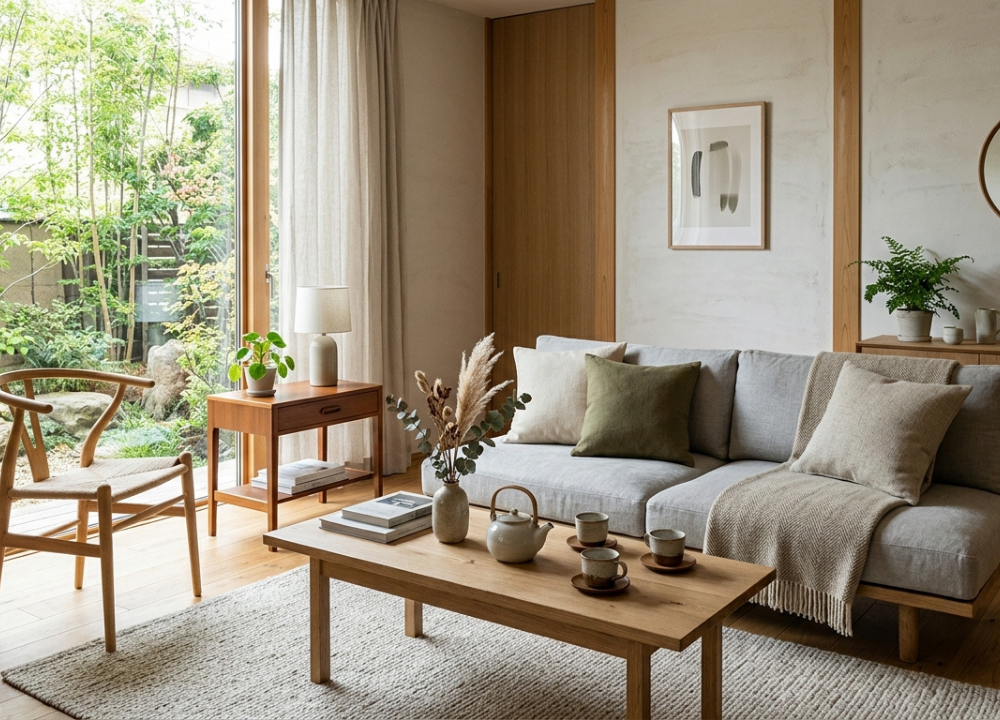
If you want a home that feels peaceful, warm, uncluttered, and practical, japandi style offers a thoughtful way to achieve that balance. It combines the simplicity and natural character associated with Japanese interiors with the comfort and functionality commonly found in Scandinavian design. The result is a space that feels refined without being overly formal and minimal without becoming cold.
Rather than filling a room with trendy decorations, this approach focuses on choosing fewer, better-suited pieces. Natural wood, soft textiles, muted colors, handmade ceramics, comfortable furniture, and thoughtful empty space all have an important role. The goal is not simply to make a room look attractive but to make it easier and more enjoyable to live in.
Whether you are decorating one room or planning a complete home makeover, understanding the principles behind this design approach can help you make better decisions.
What Is Japandi Style?
Japandi style is an interior design approach that blends Japanese minimalism with Scandinavian functionality and warmth. It typically emphasizes natural materials, clean forms, neutral colors, useful furniture, craftsmanship, and uncluttered spaces. The name itself combines “Japan” and “Scandi.” Although the term is relatively modern, the design traditions behind it have much deeper roots. Japanese and Scandinavian design share several values, including an appreciation for craftsmanship, simplicity, natural materials, and objects that serve a purpose.
A useful way to understand the concept is to think about balance:
- Japanese influence contributes restraint, natural textures, low-profile furniture, and appreciation for imperfection.
- Scandinavian influence contributes comfort, functionality, warmth, and inviting textiles.
- Together, they create interiors that are simple but still comfortable and personal.
The Japanese and Scandinavian Influences
Understanding the two influences makes it easier to create a convincing interior.
Japanese Design Influences
Japanese interiors often emphasize simplicity, harmony, nature, and careful use of space. The concept of wabi-sabi is particularly relevant because it encourages appreciation for natural imperfections, aging, and impermanence. In a home, this might appear as a handmade ceramic bowl with an irregular shape, visible wood grain, or a textile with a natural texture. Another useful concept is ma, which can be understood as the intentional use of space or pauses between objects. Empty space is not necessarily wasted space; it can help important elements stand out.
Scandinavian Design Influences
Scandinavian interiors are strongly associated with practical design, comfort, simplicity, and natural light. The idea of hygge is often connected with creating a comfortable and welcoming atmosphere. Soft blankets, comfortable seating, warm lighting, natural fabrics, and practical furniture can bring this quality into a room. The combination works because the Japanese influence prevents excessive decoration, while the Scandinavian influence keeps minimalism from feeling overly severe.
Key Principles of Japandi Style
Creating this look successfully requires more than choosing a neutral color palette. Several principles work together to produce the desired atmosphere.
Keep the Space Simple
Start by removing things that do not contribute to the room. This does not mean your home needs to look empty. Instead, every visible item should have a reason for being there. A carefully selected vase, chair, lamp, or artwork can have more visual impact than a shelf packed with accessories.
Prioritize Function
Furniture should be useful as well as attractive. A coffee table should provide practical surface space. Storage should help control clutter. Seating should be comfortable enough for everyday use. This focus on function helps prevent the room from becoming a showroom that looks good but does not work for real life.
Use Natural Materials
Natural materials are central to the aesthetic. Wood, stone, linen, cotton, bamboo, rattan, wool, and ceramics can introduce visual and physical texture. Wood is especially important because its grain can provide warmth without requiring strong colors or elaborate patterns.
Accept Natural Imperfections
Perfectly matched and highly polished objects are not always necessary. Slight variations in handmade ceramics, natural wood grain, woven fabrics, and other materials can make a room feel more authentic.
Create Balance
The best interiors balance empty space with useful furniture, warm textures with clean lines, and light colors with darker accents. Too much minimalism can make a room feel sterile. Too much decoration can undermine the calm atmosphere.
Japandi Style Color Palette
Color plays a major role in creating a peaceful interior. Instead of relying on bright or highly saturated colors, designers generally work with warm neutrals, earthy shades, natural wood tones, and restrained darker accents.
Common choices include:
| Color or Tone | Typical Use | Effect |
| Warm white | Walls and ceilings | Creates an airy foundation |
| Beige | Furniture and textiles | Adds warmth |
| Taupe or greige | Walls and upholstery | Provides subtle depth |
| Soft gray | Accessories and furniture | Adds understated contrast |
| Natural brown | Wood and furniture | Brings organic warmth |
| Muted green | Plants and accents | Connects the room with nature |
| Charcoal or black | Small details | Creates visual definition |
Natural Materials and Textures
Materials often have more influence than decoration when developing a calm interior.
Wood
Oak, ash, maple, walnut, bamboo, and other wood varieties can work well. Light woods tend to create an airy Scandinavian feeling, while darker woods can introduce a more grounded Japanese character. Visible grain is often preferable to finishes that completely hide the natural character of the material.
Linen and Cotton
Natural fabrics are useful for curtains, cushions, bedding, upholstery, and table linens. Their slightly irregular textures can add depth without introducing loud patterns.
Stone and Ceramics
Stone surfaces and handmade ceramics can provide an earthy quality. A simple ceramic vase or bowl can become a focal point without overwhelming the room.
Bamboo and Rattan
These materials can introduce organic texture through baskets, lighting, chairs, screens, and accessories. The key is restraint. Adding natural materials does not mean adding every natural material available. Two or three complementary textures are often enough.
Choosing Furniture for Japandi Interiors
Furniture should feel purposeful, comfortable, and visually uncomplicated.
Choose Clean Shapes
Look for furniture with simple silhouettes, clean edges, gentle curves, and minimal decorative details. Low-profile sofas, wooden tables, platform beds, and simple shelving can work particularly well.
Mix Light and Dark Wood Carefully
Using only one wood tone can sometimes make a room look flat. A controlled combination of lighter and darker woods can create depth. However, too many competing wood finishes may make the space feel disorganized, so keep the selection intentional.
Japandi Style Room-by-Room Ideas
The principles can be adapted to almost any room.
Living Room
Start with a comfortable sofa in beige, cream, taupe, or another muted shade. Add a simple wooden coffee table and perhaps one or two textured cushions. Instead of decorating every wall, choose one understated artwork or a carefully positioned natural object. A woven rug can soften the room, while warm lighting helps create an inviting atmosphere.
Bedroom
The bedroom should emphasize rest and simplicity. A low-profile wooden bed, neutral bedding, soft curtains, and minimal bedside furniture can establish the foundation. Linen bedding can add texture, while warm lamps provide a softer atmosphere in the evening. Avoid excessive decorative objects around the bed because visual clutter can make a resting space feel less peaceful.
Kitchen
A Japandi-inspired kitchen should feel organized and functional. Simple cabinetry, natural wood finishes, stone surfaces, understated hardware, and open areas with limited countertop clutter are effective choices. Storage is especially important because keeping everyday items organized supports the overall visual simplicity.
Bathroom
Natural stone, wood-inspired finishes, muted tiles, simple fixtures, and warm lighting can give a bathroom a relaxing character. A few carefully selected accessories are usually more effective than numerous decorative items.
Home Office
A simple wooden desk, comfortable chair, organized storage, and natural light can create a productive workspace. Keep frequently used items accessible but avoid covering the entire desk with equipment and accessories.
Lighting Ideas for a Calm Interior
Lighting can completely change how a room feels. Natural daylight should be used whenever possible. During the evening, combine several softer sources rather than relying on one harsh overhead light.
Consider:
- Warm table lamps
- Simple floor lamps
- Paper or fabric shades
- Soft pendant lighting
- Under-cabinet lighting
- Candles where appropriate
Japandi Decor: What to Add and What to Avoid
Decor should support the room rather than compete with it.
Decor That Works Well
Consider:
- Handmade ceramics
- Simple artwork
- Indoor plants
- Woven baskets
- Natural textiles
- Wooden trays
- Sculptural objects
- Minimalist lamps
- Carefully selected books
Decor to Use Sparingly
Be careful with:
- Excessive patterns
- Bright accent colors
- Large collections of small accessories
- Highly ornate furniture
- Too many decorative signs
- Unnecessary objects on every surface
How to Create Japandi Style on a Budget
You do not need to replace everything in your home to achieve this look. Start with decluttering. Removing unnecessary objects costs nothing and can immediately make a room feel calmer. Next, work with what you already own. Rearrange furniture to create more open space and improve movement through the room.
You can then make smaller changes, such as:
- Replacing overly bright textiles with neutral alternatives.
- Adding one or two natural wood accessories.
- Introducing a simple woven basket.
- Using warm lighting.
- Adding a plant.
- Removing unnecessary decorative objects.
- Choosing simple curtains and bedding.
Common Japandi Style Mistakes to Avoid
Making the Room Too Empty
Minimalism does not mean removing everything. A comfortable home still needs furniture, personal items, texture, and warmth. The goal is intentional simplicity rather than emptiness.
Using Too Much White
An entirely white room can feel cold. Introduce warm wood, beige, taupe, stone, or muted green to provide depth.
Adding Too Many Decorations
A room can quickly lose its peaceful quality when every surface is covered. Give important pieces enough space to be appreciated.
Ignoring Comfort
A beautiful chair that is uncomfortable does not support the principles of functional design. Choose furniture that works for everyday life.
Japandi Style vs. Minimalism
Minimalism and japandi style share several characteristics, including simplicity, limited decoration, clean forms, and intentional use of space. Minimalism can sometimes prioritize reduction above all else. Japandi tends to introduce more warmth through natural materials, handmade objects, soft textiles, earthy colors, and comfortable furniture. This allows a room to remain uncluttered without appearing sterile. Contemporary design discussions similarly distinguish the style through its combination of Japanese restraint and Scandinavian warmth.
Advanced Japandi Design Tips
Once the basics are established, small design decisions can make the room feel more sophisticated.
Layer Different Textures
Instead of relying on many colors, create visual interest through texture. For example, combine smooth wooden furniture with linen curtains, a woven rug, ceramic accessories, and a soft wool throw.
Use Contrast Carefully
A charcoal vase, dark wood table, or black lamp can provide definition against a warm neutral background. The darker elements should generally act as accents rather than dominate the entire room.
Use Negative Space Intentionally
Do not feel obligated to fill every empty wall or corner. Empty areas can give furniture and decorative objects room to breathe. This creates a visual rhythm and can make smaller rooms feel less crowded.
How to Start Creating a Japandi Home
If you are starting from scratch, follow a simple sequence.
Step 1: Declutter the room and remove items that do not serve a purpose.
Step 2: Choose a warm neutral foundation for walls and large surfaces.
Step 3: Introduce natural wood and one or two complementary materials.
Step 4: Select functional furniture with simple shapes.
Step 5: Add soft textiles to improve comfort.
Step 6: Improve the lighting with warm, layered sources.
Step 7: Add a small number of meaningful decorative objects.
Step 8: Step back and remove anything that feels unnecessary.
Final Thouhts
Japandi style works because it brings together two complementary ideas: the calm restraint of Japanese-inspired interiors and the warmth and practicality of Scandinavian design. Rather than encouraging homeowners to chase a particular trend, it offers a way to think more carefully about what belongs in a room. Natural materials, functional furniture, muted colors, soft lighting, useful storage, and intentional empty space form the foundation. From there, personal touches can make the home feel genuinely lived in.
FAQs
Q1: What is Japandi style?
Ans: Japandi style is a blend of Japanese minimalism and Scandinavian design. It combines simplicity, functionality, natural materials, neutral colors, comfort, and appreciation for handmade or naturally imperfect details.
Q2: What colors are commonly used in Japandi style?
Ans: Common colors include warm white, cream, beige, taupe, greige, soft gray, natural brown, muted green, and charcoal. These shades create a calm foundation without making the interior visually overwhelming.
Q3: Is Japandi style expensive?
Ans: It does not have to be expensive. Because the approach emphasizes simplicity and quality over quantity, you can begin by decluttering, rearranging existing furniture, changing textiles, improving lighting, and adding a few affordable natural accessories.
Q4: What materials are best for Japandi interiors?
Ans: Wood, bamboo, rattan, stone, linen, cotton, wool, and ceramics are common choices. Natural materials add warmth and texture while supporting the understated character of the design.
Q5: What furniture works best with Japandi style?
Ans: Choose furniture with clean lines, simple silhouettes, practical functions, comfortable proportions, and natural finishes. Low-profile wooden furniture and uncluttered storage solutions are particularly suitable.